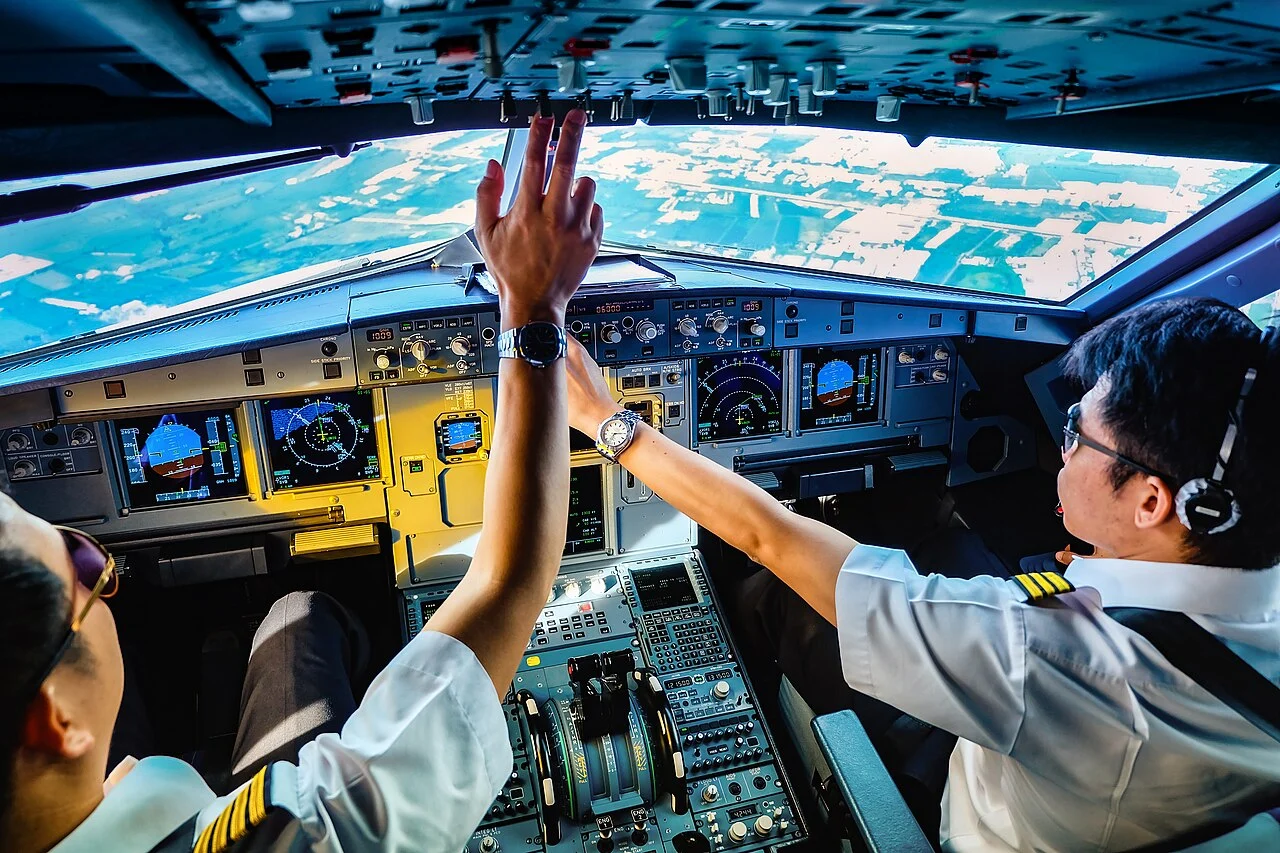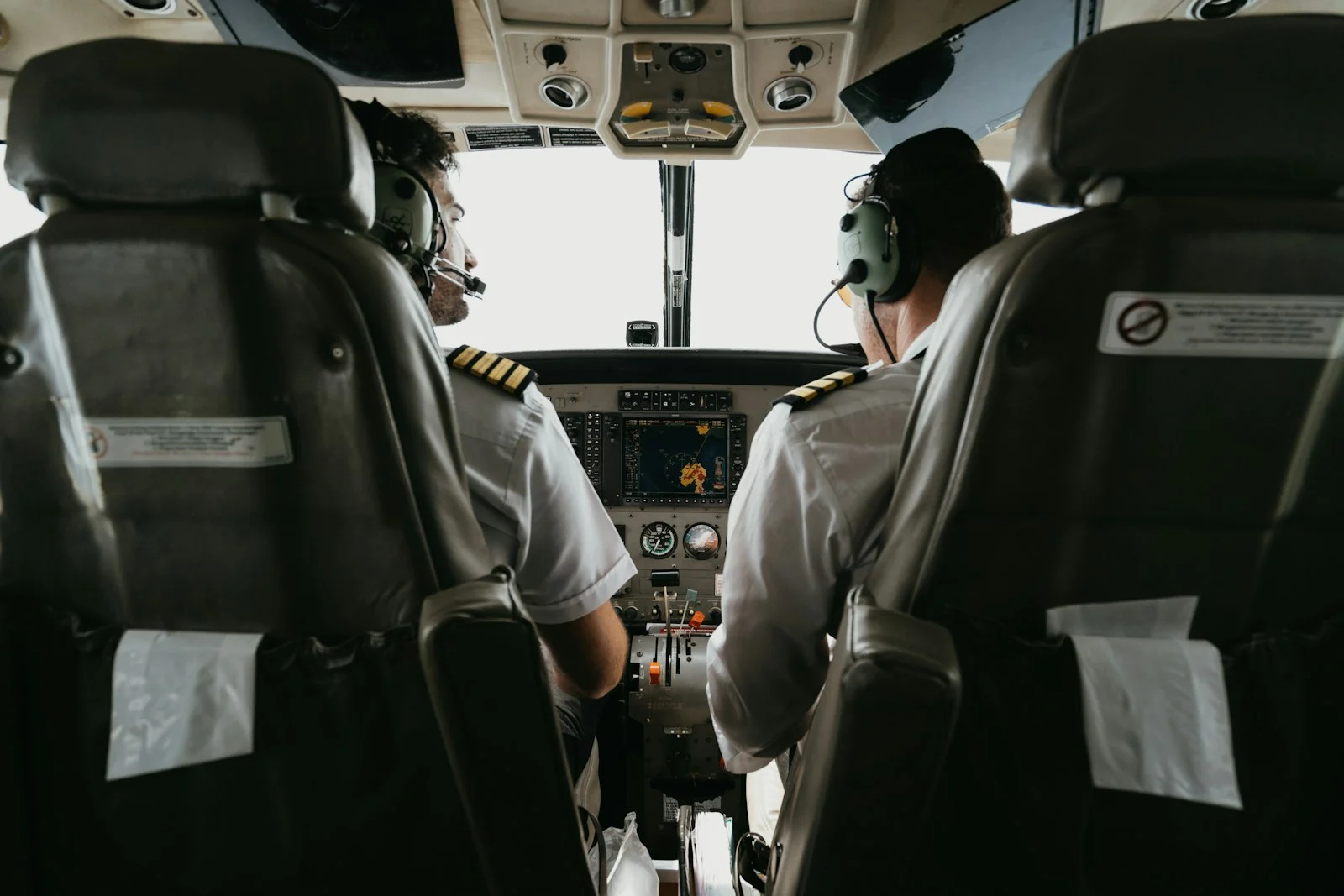
Native English-speaking pilots should take the same language tests as everyone else, according to research published by Cambridge University Press.
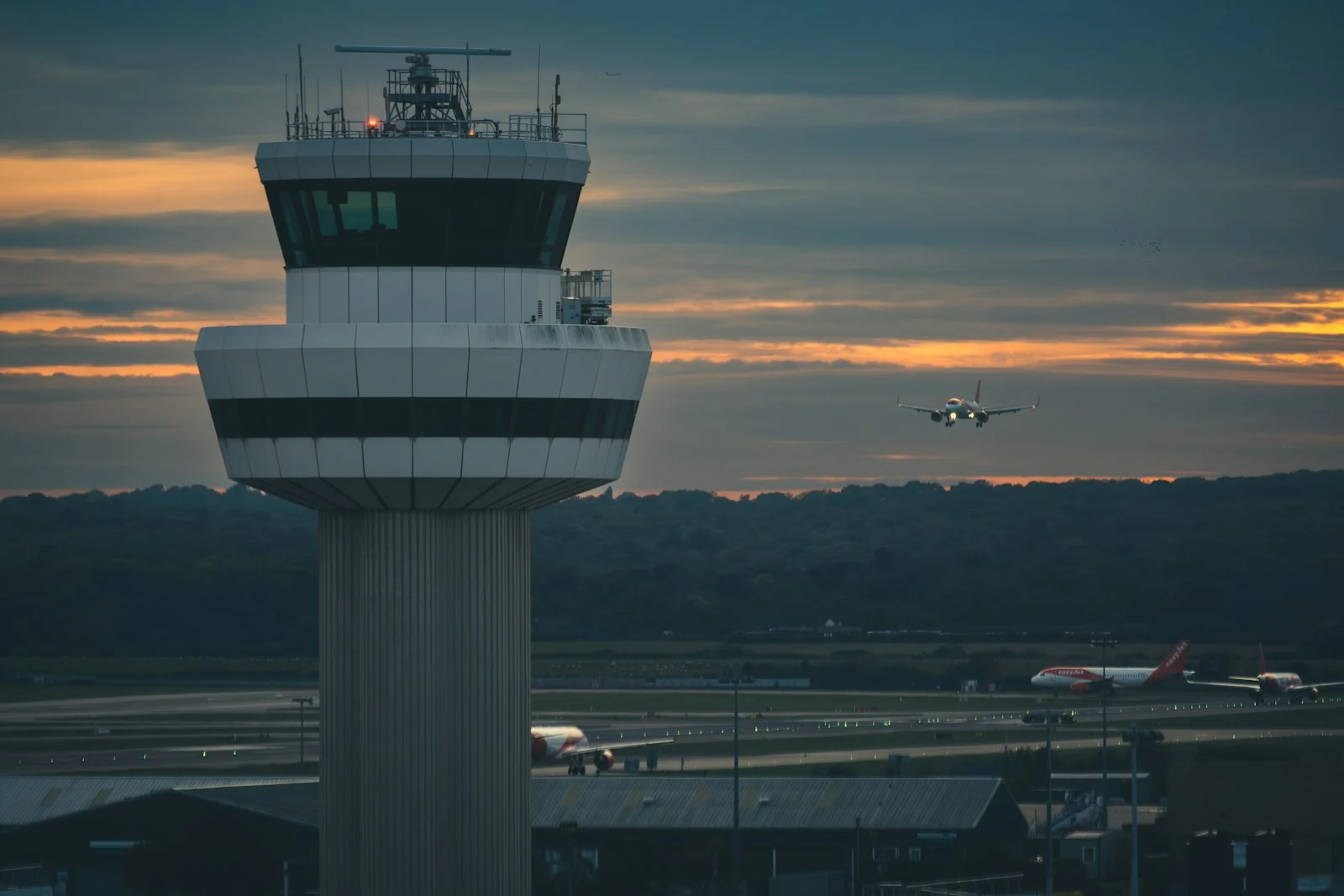
Dr Hyejeong Kim, of Hong Kong Polytechnic University, examined a recording made at Incheon airport in South Korea, where a Cathay Pacific aircraft blocked a runway for almost 20 minutes.
The aircraft had landed with a hydraulic failure that left it unable to steer. It stopped on the runway and could not taxi. The runway was closed and an approaching aircraft was told to go around.
Arranging a tow took 122 radio transmissions and three Korean controllers, each replaced by a colleague with stronger English.
Six aviation professionals, three pilots and three controllers with between 13 and 23 years of experience, listened to the recording and were asked to assess it. They criticised the Australian pilot rather than the controllers.
The pilot was speaking at about 255 words a minute. Guidance issued by the International Civil Aviation Organization (ICAO) recommends 100.
He used the word "tug", which only one of the three controllers recognised. The controllers' own term is "towing car". He also said "fire engine" to a group who did not know it meant the same as "fire truck", and the study records that they spent some time working out what he wanted.
The study says he made no attempt to slow down or change his wording, even after it became clear he had not been understood.
Under ICAO rules, that pilot would never have been tested. First-language speakers are assumed to hold the highest rating and are exempt. The controllers he was speaking to must reach level four on a six-point scale and be retested every three years.
The research also questions whether stronger English helps. The second and third controllers spoke more fluently and used it to answer every request the pilot made, prolonging an exchange that standard procedure keeps between the controller and the tow truck driver.
"All they needed to do was tow the aircraft," one controller told the researchers.
The panel reserved its sharpest criticism for a single word. The first controller replied "roger" to messages he had not understood. The word confirms only that a transmission has been received.
"The most dangerous aspect here is the controller's use of roger," one of the pilots said.
Dr Kim argues that the exemption for native speakers cannot be justified, and that no standard phrase exists to flag an abnormal situation. Pilots have "mayday" for an emergency and "pan pan" for an urgent one, but nothing for an aircraft that is simply stuck. She proposes a new marker, and an obligation on controllers to read critical messages back.
ICAO introduced its language requirements in 2003, after four accidents linked to communication failures. Compliance was slow. Two months before the deadline in March 2011, 137 of the organisation's 191 member states had still not met the standard. Fifteen years on, ICAO has formally recommended only one test.
Kim, H. (2026). Aviation English as a Global Lingua Franca. Cambridge University Press. DOI: 10.1017/9781009660785